Institute of systems and robotics
University of Coimbra
Center of Excellence of technologies for sustainability and quality of life
Research Areas
Advanced Materials & Sensors
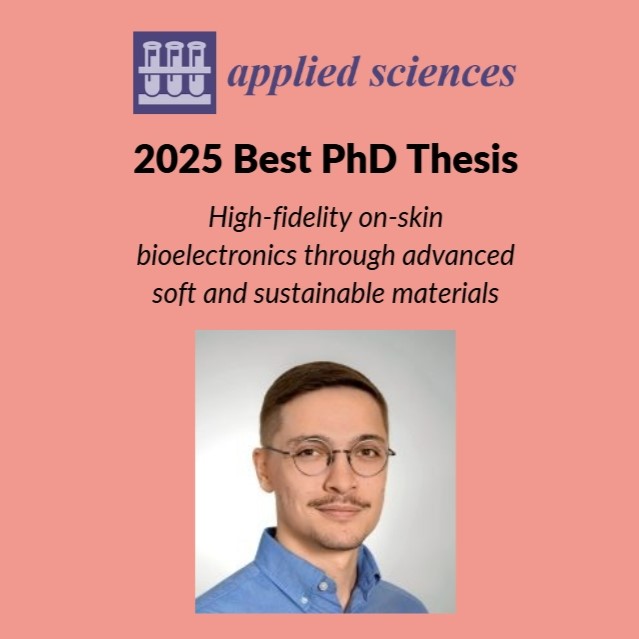
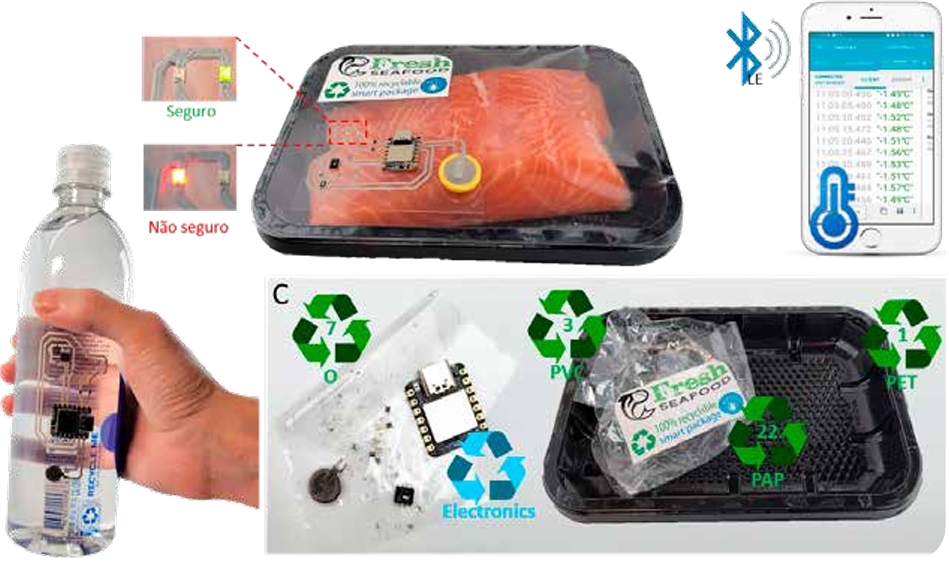
The main research stream of this area is development and characterization of novel materials and fabrication techniques for printed and thin-film electronics and soft-matter electronics. This team has demonstrated applications of these circuits in smart plastics and textile, health monitoring including biomonitoring patches that already reached to the clinical pilot stage, and more demanding applications for implantable electronics. The research area is already counting with a European Research Council ERC-Consolidator grant (2023-2027), and implemented 3 laboratories of material synthesis, digital fabrication, and Electron Microscopy and Characterization.
Robotics and Artificial Intelligent Systems
Research in RAIS covers theoretical advancements and practical applications: Enhancing reliability of deep-learning architectures, with probabilistic explainability, for safety; Critical applications; Resilient sensory perception in extreme conditions; Developing efficient algorithms for applications in Robotics, Machine Learning, and AI; Exploring human-centered robotics/systems; Advancing medical minimally invasive robotics for surgery, diagnosis, and rehabilitation; Path planning for long-term operation; Addressing complexities in industrial processes through self-learning and adaptation.
Perceptual and Cognitive Systems
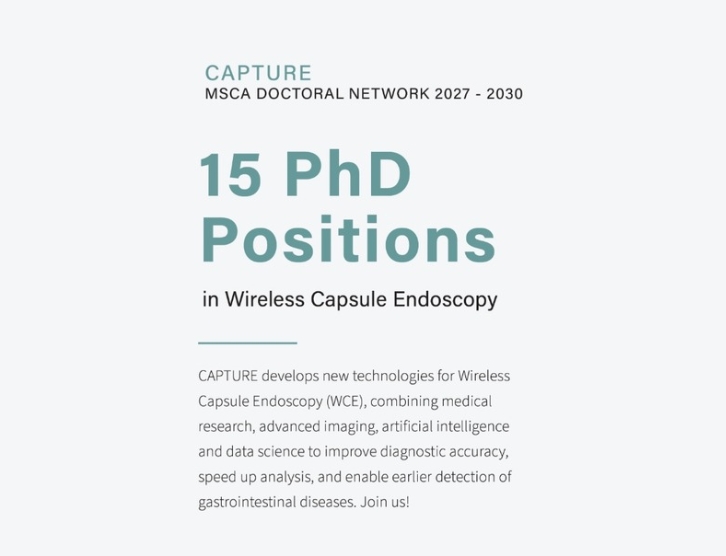
The research in this area covers: Biometrics: novelties in learning architectures and the improvement of the several facial recognition systems; Improvement of the security of visual content: achieving good accuracy in printer-proof steganography with applications in the security of ID documents; Analysis of endoscopic imagery for computer assisted surgery and diagnosis; Analysis of images from capsule endoscopy for computer assisted diagnosis; Analysis of images from deformable objects; Solutions to incorporate causality and counterfactual inference principles in deep learning to enhance their interpretability, namely, Causal Representation Learning, Counterfactual Learning and Knowledge Distillation.
Sustainable Energy Systems
In Sustainable Energy Systems, the main global objectives deal with advanced energy-efficient technologies, as well as renewable and energy storage technologies in the scope of industrial andbuilding systems, and electric vehicles. The activities are mainly focused on: Energy Efficient Technologies including the development and assessment of energy-efficient technologies, such as advanced motors and drives, optimization of electrical systems and eco-design of energy-related products; Renewables and Smart Grids including the design of smart grid architectures and microgrids, monitoring and control systems, as well as prediction and optimization of distributed energy resources.
Highlights
About
ISR - Coimbra
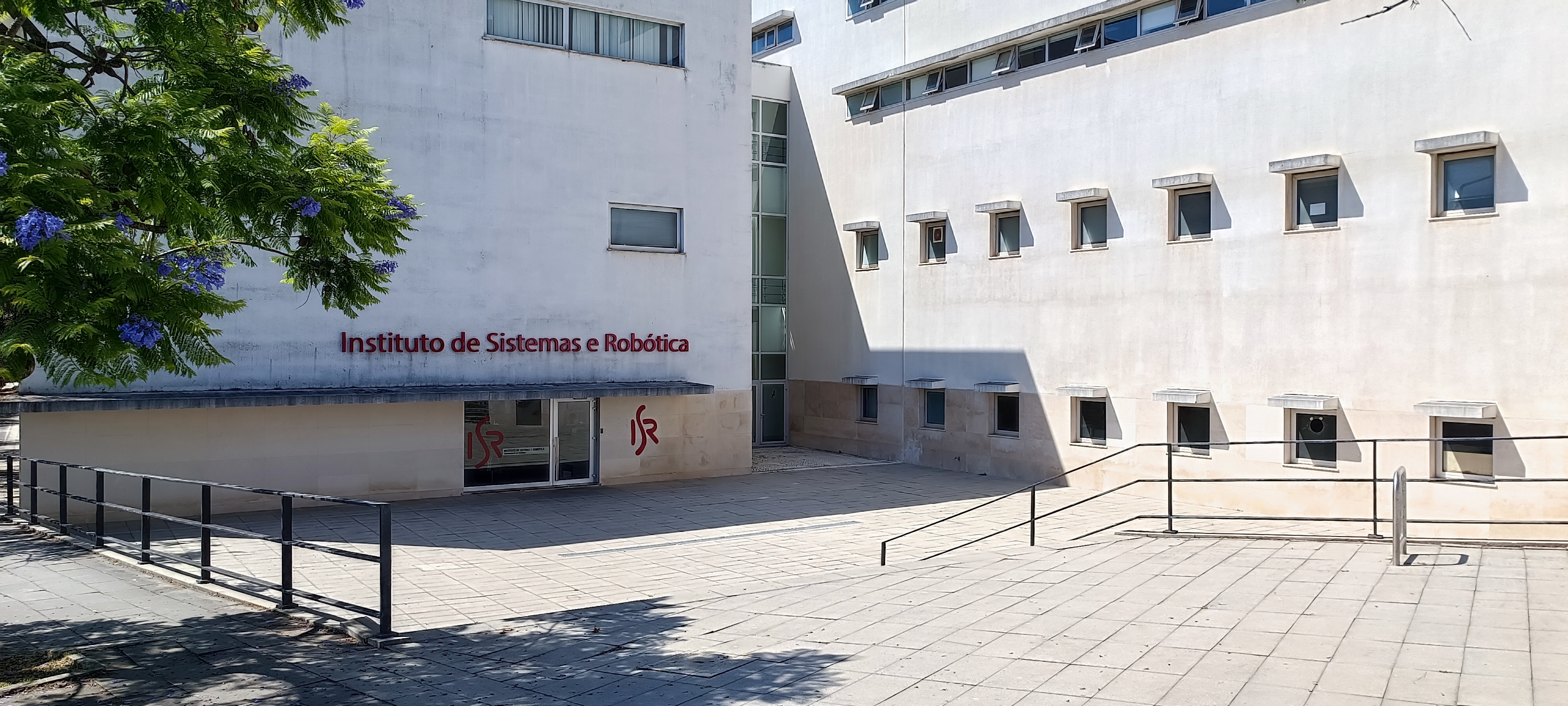
The Institute of Systems and Robotics, based in the University of Coimbra (ISR-UC) is a private, non-profit research institution founded in 1992 with the global purpose of setting up a first class multi-disciplinary research team, able to carry out leading edge research in several important areas of science and technology, with a special emphasis in systems and robotics.
ISR has modern laboratories, in which a large variety of state of the art, electronic components and advanced materials are used and to support innovative work.
Years Advancing Systems, Robotics & Sustainable Innovation
Members of the institute
On going projects
Latest News
Daily updates from the ISR community.